
The Individualized Education Program, or IEP, is one of the most important documents in your child's educational journey. Yet for many parents, the process of developing and maintaining an IEP can feel like navigating a maze without a map. Understanding each step empowers you to be the strongest advocate your child has.
What Is an IEP?
An IEP is a legally binding document that outlines the special education services, accommodations, and goals for a student with a disability. Under the Individuals with Disabilities Education Act (IDEA), public schools are required to develop an IEP for every child who qualifies for special education services.
The IEP Process: Step by Step
Here are the key steps in the IEP process:
- Referral, A parent, teacher, or other professional requests an evaluation for special education services.
- Evaluation, The school conducts a comprehensive evaluation to determine if the child qualifies for services.
- Eligibility, The IEP team reviews results and determines whether the child meets criteria under one of the 13 disability categories.
- IEP Development, The team writes the IEP, including goals, services, accommodations, and placement.
- Implementation, The school puts the IEP into action, providing the agreed-upon services.
- Annual Review, The IEP team meets at least once a year to review progress and update the plan.
Your Rights as a Parent
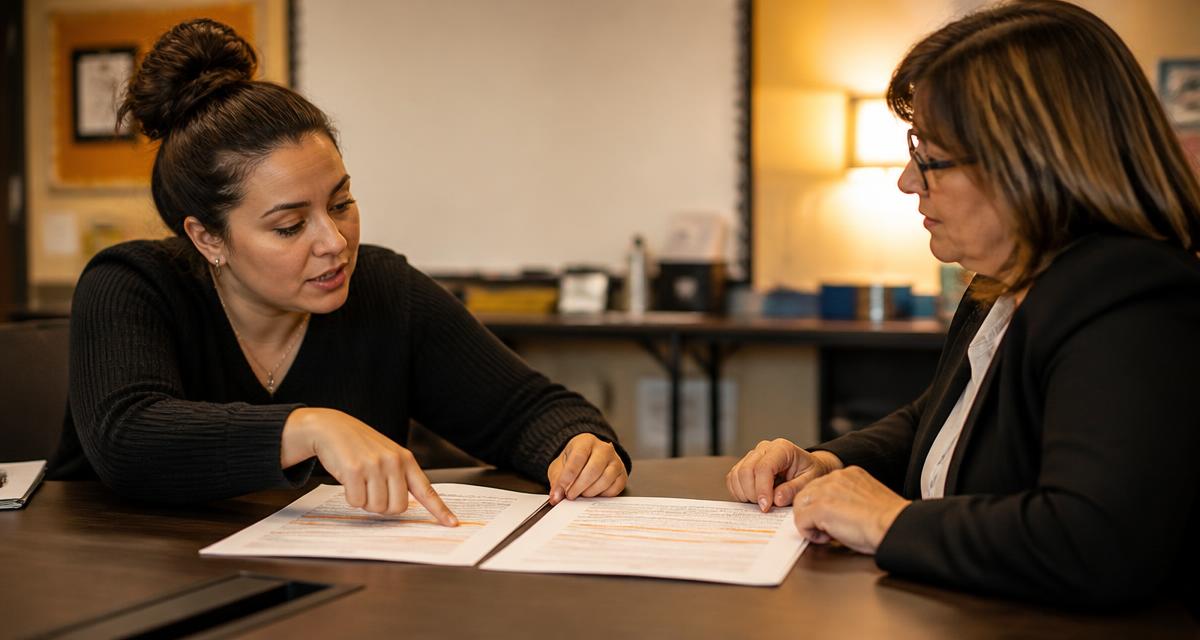
As a parent, you are an equal member of the IEP team. You have the right to participate in every meeting, request additional evaluations, disagree with the school's decisions, and seek mediation or due process if needed. Knowing your rights is the first step toward effective advocacy.
"You know your child better than anyone. Your voice matters in every IEP meeting."
Tips for a Successful IEP Meeting
Prepare for your next IEP meeting with these strategies:
- Review your child's current IEP and progress reports before the meeting.
- Bring a written list of your concerns and questions.
- Request a copy of any evaluations or reports at least three days before the meeting.
- Consider bringing an advocate or support person.
- Take notes during the meeting and request a copy of the final IEP.
When to Seek Help from an Advocate
If you feel overwhelmed, unheard, or unsure about your child's IEP, it may be time to work with a special education advocate. An experienced advocate can help you understand the process, prepare for meetings, and ensure your child receives the services they deserve.