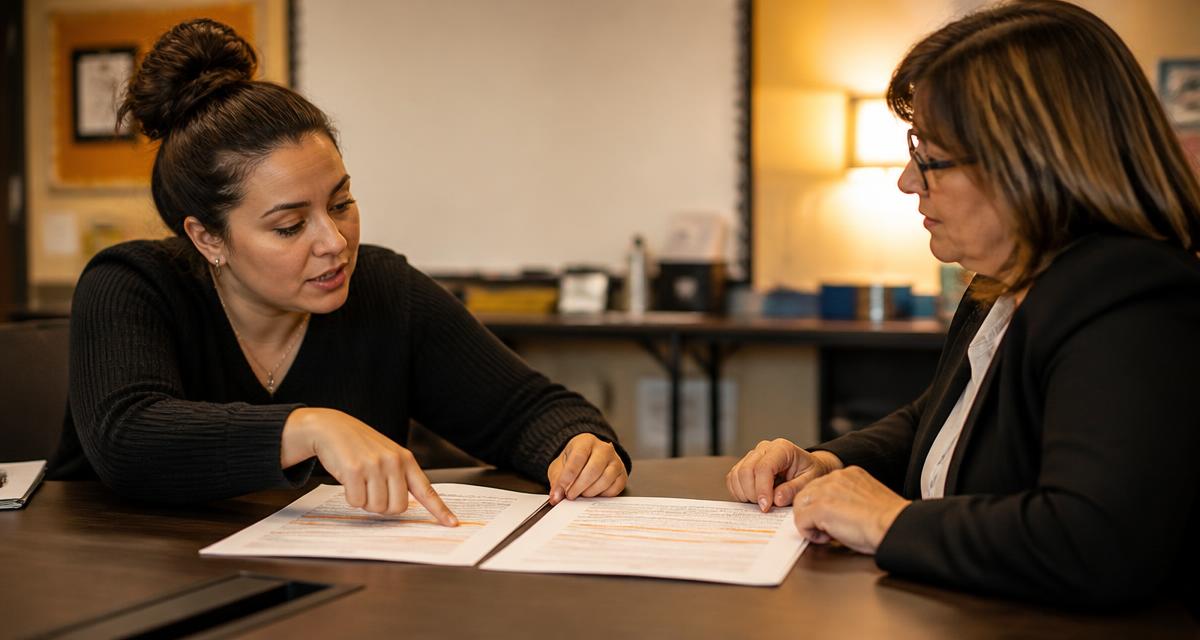

Starting the school year without a plan for your child's Individualized Education Program (IEP) can feel overwhelming. The IEP process is filled with important dates, multiple meeting types, and a variety of documents you need to keep track of. Without organization, it's easy to miss deadlines or misunderstand your rights, which can affect your child's progress. Preparation for your child's IEP is more than a stack of papers in a folder; it's a system that ensures you can respond appropriately and timely, stay informed, and participate fully in your child's IEP process.
Why Preparation Matters
The IEP is a living fluid document. It is reviewed and updated annually to meet your child's updated needs, which may include goals and additional support. Being prepared includes you are ready to engage in meaningful discussions, establish your requests and concerns all while avoiding last-minute stress. Stepping forward as a proactive IEP member and partner in your child's education is very important.
Step 1: Create a School Year Calendar
Your calendar should include:
Key dates to track:
- Annual IEP review dates, These are set by law and must happen at least once a year.
- Re-evaluation dates, Typically every three years, unless agreed otherwise.
- Assessment deadlines, These can include assessments that are specific to your child's IEP and/or assessments that are given to all students in your child's grade level. Some assessments require written consent which may have specific timelines for the Local Educational Agency to complete.
Add reminders four weeks before each date so you have time to prepare.
Step 2: Understand Meeting Types
Not all meetings are the same. Knowing the purpose of each helps you prepare the right questions and documents:
Common IEP meeting types:
- FIEP (Facilitated IEP), Uses a neutral facilitator to keep discussions productive.
- MDR (Manifestation Determination Review), The purpose of this review is to determine whether or not the child's behavior that led to the disciplinary infraction is linked to his or her disability.
- Annual IEP Meeting, Review a student's current IEP, assess their progress, and make necessary adjustments to ensure the plan continues to meet their individual needs.
- 3-Year Reevaluation, Comprehensive assessment to determine if a student with a disability continues to need special education services and guide IEP supports.
Step 3: Organize Your Documents
Create an easy-to-access system. This can be a binder, file box, or digital folder with sections for:
Essential document categories:
- IEP (past and current), Be certain these copies are finalized and not drafts.
- Evaluation reports
- Medical or therapy reports
- IEP Progress reports and report cards
- Communication logs (emails, letters, notes from phone calls)
Having these documents at your fingertips makes it easier to support your requests and track progress.
Keep Everything in Writing
While in-person conversations are valuable, consider following up with an email summarizing the discussion. Written communication protects both you and your child by creating a clear record.
Wynn Advocacy Pro Tip
Set aside two hours this week to create your IEP calendar, review meeting types, and organize your documents. This small investment of time can pay off all year long.